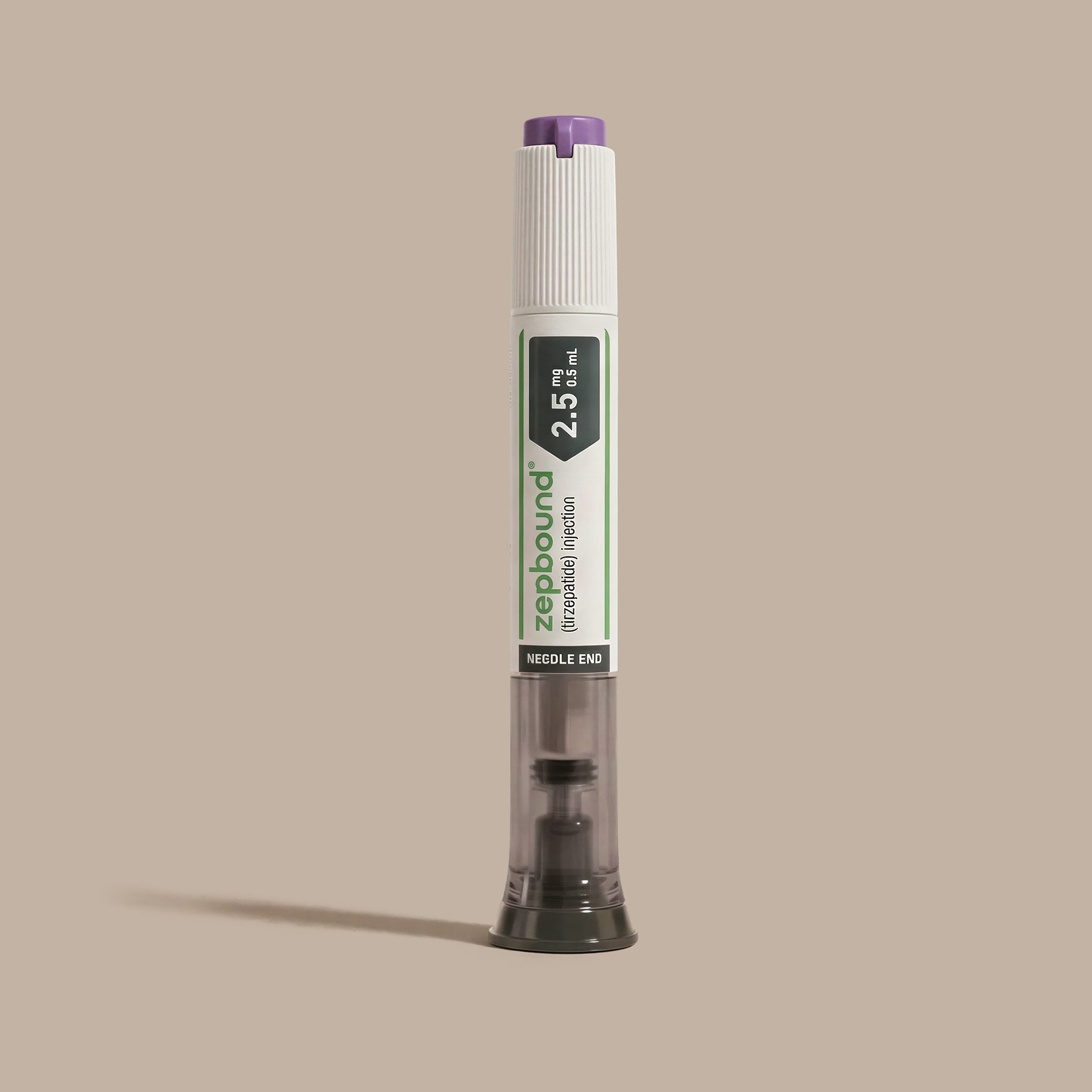
Zepbound® (tirzepatide) Injection Pen
Good for: Those with weight-related conditions looking for an FDA-approved weekly injection that acts on two appetite and metabolic pathways, including those who have not reached their goals on semaglutide.


Zepbound is the FDA-approved brand name for tirzepatide, indicated for chronic weight management in adults with obesity or overweight with weight-related comorbidities. It is a dual GIP/GLP-1 receptor agonist administered via weekly subcutaneous injection.
Tirzepatide activates both GLP-1 and GIP receptors, which together reduce appetite, slow gastric emptying, and help regulate blood sugar. In the SURMOUNT-1 trial, participants on the highest dose lost about 21% of their body weight on average over 72 weeks. Improvements in glucose, blood pressure, and lipid markers were also seen.
Zepbound® pens are sourced through the manufacturer's authorized distribution channels and dispensed by a licensed pharmacy. Every pen arrives factory-sealed, serialized, and fully traceable.
Explained by our providers
How tirzepatide works
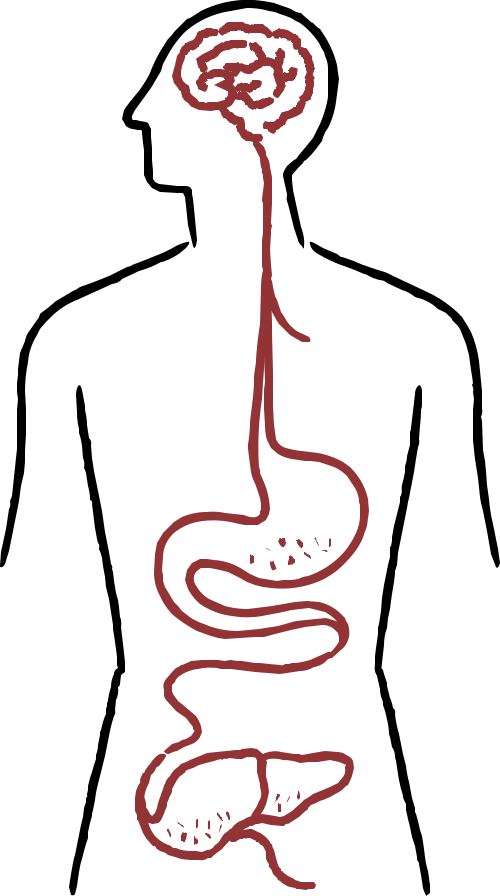
Tirzepatide activates both GIP and GLP-1 receptors, two separate hormonal pathways that regulate appetite, insulin response, and metabolism. In clinical trials, participants on the 15 mg dose lost about 21% of their body weight on average. It's indicated for adults with a BMI of 30 or higher, or 27 or above with a weight-related condition.
What to expect on tirzepatide
Appetite reduction is usually noticeable within the first couple of weeks, and meaningful weight loss typically develops by weeks 8 to 12 and peaks at 6 to 9 months at maintenance dosing. GI side effects are most prominent during titration and ease as the dose stabilizes, and your provider manages your escalation schedule and adjusts the pace based on how you're responding at each step.

Inclusive care. Exclusively Haven.
- Born out of a doctor’s office, not a tech company
- Virtual check-ins with board-certified medical providers
- Pay for actual treatment, not subscription fees

Pricing breakdown
This medication may require lab testing that can be completed at a Haven Health or 3rd-party lab location. Your provider will determine what's necessary based on your care plan.

Common questions
Zepbound isn't appropriate for everyone. It should not be used by anyone with a personal or family history of medullary thyroid carcinoma or MEN2. GI side effects are most common while your dose is increasing. Your Haven provider reviews your health history and current medications before prescribing and monitors your response throughout treatment.
Zepbound is injected under the skin once a week using a pre-filled, single-dose pen. The starting dose is 2.5 mg, increasing by 2.5 mg every 4 weeks as tolerated to a maintenance dose of 5, 10, or 15 mg. Your provider manages your schedule based on how you respond and may slow it if side effects are limiting.
Appetite reduction tends to be noticeable within the first couple of weeks. Weight loss typically becomes meaningful by weeks 8 to 12 and continues to accumulate over the following months. The peak effect of tirzepatide is often seen at 6 to 9 months at maintenance dosing. GI side effects are most pronounced during titration and tend to ease once the dose stabilizes.
Nausea, diarrhea, constipation, vomiting, and abdominal discomfort are the most commonly reported side effects and are typically most prominent during dose escalation. Injection site reactions, fatigue, and mild dizziness are also reported. Rare but serious risks include pancreatitis, gallbladder disease, and elevated heart rate. Your provider will review the full risk profile with you before starting.
Zepbound was studied in the SURMOUNT clinical trial program. In SURMOUNT-1, participants on the 15 mg dose lost an average of 20.9% of their body weight over 72 weeks, compared with 3.1% on placebo. Research continues on tirzepatide's effects on cardiovascular outcomes and long-term weight maintenance.
Sources:
- Tirzepatide Once Weekly for the Treatment of Obesity. DOI: 10.1056/NEJMoa2206038